

Why Hands-On Experience Matters in Nursing School
Why Hands-On Experience Matters in Nursing School
When people think about nursing school, they often picture textbooks, lectures, and exams. While those are important parts of the learning process, they’re only one piece of what it takes to become a confident, capable nurse.
In reality, nursing is a hands-on profession—and the best nursing education reflects that.
If you’re considering a career in healthcare, understanding the role of hands-on training can help you choose a program that truly prepares you for the real world.
Nursing Is More Than Knowledge—It’s Skill
Nurses don’t just recall information—they apply it in fast-paced, high-pressure environments. From administering medications to monitoring patient conditions, nursing requires precision, confidence, and critical thinking.
Hands-on experience bridges the gap between learning and doing.
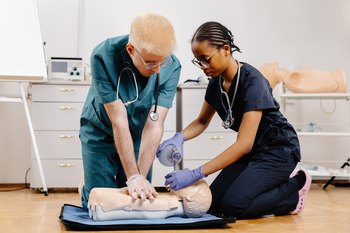
In a strong nursing program, students practice essential skills in controlled environments before ever stepping into a clinical setting. This allows them to:
- Build muscle memory for procedures
- Develop confidence in decision-making
- Learn how to respond to real-life scenarios
The result? Graduates who are not just knowledgeable, but capable.
Building Confidence Before Entering Clinicals
One of the biggest challenges for nursing students is stepping into a clinical environment for the first time. Hospitals and healthcare settings can feel overwhelming, especially without prior experience.
Hands-on training helps ease that transition.
Through lab work and simulated scenarios, students become familiar with:
- Medical equipment and tools
- Patient interaction techniques
- Proper safety and sanitation protocols
By the time they enter clinicals, they’re not starting from zero—they’re building on a foundation they’ve already practiced.
Learning in a Safe, Supportive Environment
Mistakes are part of learning—but in healthcare, they can have serious consequences. That’s why hands-on training in a controlled environment is so important.
In lab settings, students can:
- Practice procedures repeatedly
- Ask questions in real time
- Receive immediate feedback from instructors
This kind of environment encourages growth without the pressure of real-world risk, helping students refine their skills before working with actual patients.
Developing Critical Thinking Skills
Every patient is different, and no two situations are exactly the same. Nurses must be able to assess, adapt, and respond quickly.
Hands-on learning introduces students to real-world scenarios that require problem-solving, such as:
- Changes in patient condition
- Emergency response situations
- Prioritizing multiple tasks at once
These experiences help students develop the critical thinking skills they’ll rely on throughout their careers.
Preparing for the Expectations of Employers
Healthcare employers are looking for more than academic success—they want graduates who are ready to step into the role with confidence.
Hands-on training signals that a student has:
- Practiced real nursing skills
- Worked through realistic scenarios
- Developed both technical and interpersonal abilities
This level of preparation can make a meaningful difference when transitioning from school to the workforce.
A More Engaging Learning Experience
Let’s be honest—learning by doing is often more engaging than learning by listening alone.
Hands-on training:
- Keeps students actively involved
- Reinforces classroom concepts
- Makes learning more memorable
For many students, this approach not only improves understanding but also increases motivation and confidence throughout their program.
Choosing the Right Nursing Program
Not all nursing programs are the same. When evaluating your options, it’s important to look beyond the curriculum and ask how the program prepares you for real-world care.
Consider questions like:
- How often do students participate in hands-on labs?
- What kind of simulation experiences are offered?
- How does the program prepare students for clinical environments?
A program that prioritizes hands-on training can make a significant difference in how prepared you feel when it’s time to begin your career.
Take the First Step Toward a Hands-On Career
Nursing is a career built on action, compassion, and real-world impact. The right education should reflect that from day one.
If you’re ready to pursue a career in healthcare, choosing a program that emphasizes hands-on experience can help you build the confidence, skills, and readiness needed to succeed.
Ready to Learn More?
Explore how Sumner College prepares students for real-world nursing through hands-on training and supportive instruction.
Take the first step today and start a chat now!








Welcome to Sumner College – New Classes
Welcome to the Sumner College family! This past Monday, we had the privilege of welcoming a new cohort of nursing students as they took the…
Share at FacebookShare at TwitterShare at PinterestShare at LinkedIn
Best College Rankings
Sumner College has been recognized in the Niche Best Colleges Rankings for excellence in nursing education and student value! These rankings reflect our commitment to providing…
Share at FacebookShare at TwitterShare at PinterestShare at LinkedIn
Why Hands-On Experience Matters in Nursing School
Why Hands-On Experience Matters in Nursing School When people think about nursing school, they often picture textbooks, lectures, and exams. While those are important parts…
Share at FacebookShare at TwitterShare at PinterestShare at LinkedIn
Sumner College in Bend Meets Nursing Needs
Healthcare in Oregon isn’t just growing—it’s changing. Advances in technology, shifts in patient demographics, and an increased focus on preventative and community-based care are reshaping…
Share at FacebookShare at TwitterShare at PinterestShare at LinkedIn
The Value of a BSN for Oregon’s Growing Healthcare Needs
The Value of a BSN for Oregon’s Growing Healthcare Needs Oregon’s healthcare system is evolving rapidly—and with that growth comes an increasing demand for highly…
Share at FacebookShare at TwitterShare at PinterestShare at LinkedIn
Why Earn Your BSN at Sumner College’s Bend Campus
Why Earn Your BSN at Sumner College’s Bend Campus The demand for highly educated nurses continues to grow across the United States. Many healthcare organizations…
Share at FacebookShare at TwitterShare at PinterestShare at LinkedIn
How Advancing Your Degree Expands Your Nursing Career Opportunities
How Advancing Your Degree Expands Your Nursing Career The healthcare industry is constantly evolving, and nurses play a critical role in meeting the growing needs…
Share at FacebookShare at TwitterShare at PinterestShare at LinkedIn
What Employers Look for in New Nursing Graduates in Oregon
Starting Your Nursing Career in Oregon Graduating from nursing school is a major milestone — but what happens next? Healthcare employers in Oregon aren’t just…
Share at FacebookShare at TwitterShare at PinterestShare at LinkedIn
Experienced Nursing Faculty & Student Support at Sumner College
If you’re looking for a nursing school in Oregon, choosing the right program means finding experienced instructors and strong academic support. At Sumner College, students…
Share at FacebookShare at TwitterShare at PinterestShare at LinkedIn
Nursing In-Demand
Why Nursing Is One of the Most In-Demand Careers Healthcare is an essential industry, and nursing remains one of the most consistently in-demand careers across…
Share at FacebookShare at TwitterShare at PinterestShare at LinkedIn
5 Signs Nursing Might Be the Right Career for You
5 Signs Nursing Might Be the Right Career for You Choosing a career is one of the most important decisions you’ll ever make—and if you’ve…
Share at FacebookShare at TwitterShare at PinterestShare at LinkedIn
From Classroom to Clinic
From Classroom to Clinic: Hands-On Training at Sumner College At Sumner College, education doesn’t stop at the classroom door. From the very first term, students…
Share at FacebookShare at TwitterShare at PinterestShare at LinkedIn
What to Expect Your First Term
Starting college—especially in a healthcare program—is an exciting step, and your first term at Sumner College is designed to set you up for long-term success.…
Share at FacebookShare at TwitterShare at PinterestShare at LinkedIn
How Long Does it Take to Become a Nurse?
How Long Does It Take to Become a Nurse? If you’re considering a career in nursing, one of the first questions you may ask is:…
Share at FacebookShare at TwitterShare at PinterestShare at LinkedIn
Why Should I Pursue a BSN Degree?
Why Should I Pursue a BSN Degree? | Benefits of Earning Your Bachelor of Science in Nursing If you’re exploring a career in nursing or…
Share at FacebookShare at TwitterShare at PinterestShare at LinkedIn
Become a LPN Today!
Do I Need an Undergraduate Degree to Be a Nurse? If you’ve ever thought about becoming a nurse, you might assume it requires a four-year…
Share at FacebookShare at TwitterShare at PinterestShare at LinkedIn
Honoring Service – How Military Experience Translates to a Career in Healthcare
At Sumner College, we proudly honor our veterans and active-duty service members this Veterans Day Weekend. Service in the military is built on dedication, teamwork,…
Share at FacebookShare at TwitterShare at PinterestShare at LinkedIn
Future nurses—don’t forget!
Your TEAS exam is one of the most important steps in your Sumner College application process! The TEAS (Test of Essential Academic Skills) helps measure…
Share at FacebookShare at TwitterShare at PinterestShare at LinkedIn
Sumner College Partners with K103 for the 2024 Holiday Toy Drive – Donations Now Open!
The holiday season is officially underway, and Sumner College is excited to announce our partnership with K103’s Annual Holiday Toy Drive, launching today! This joyful…
Share at FacebookShare at TwitterShare at PinterestShare at LinkedIn
Why Should I Pursue a BSN Degree?
Thinking about advancing your nursing education? Earning your Bachelor of Science in Nursing (BSN) is one of the best investments you can make in your nursing career—and in…
Share at FacebookShare at TwitterShare at PinterestShare at LinkedIn
What Is a BS in Nursing?
If you’re a registered nurse looking to take your career to the next level, you’ve probably heard about earning your BS in Nursing (BSN). But what…
Share at FacebookShare at TwitterShare at PinterestShare at LinkedIn
What Prerequisites Do I Need For a Nursing Degree?
Dreaming of becoming a nurse but worried about all the prerequisites? At Sumner College, we’ve removed the biggest roadblock to your nursing education — no…
Share at FacebookShare at TwitterShare at PinterestShare at LinkedIn
Sumner College Ranked #3 in Best Value Colleges in Oregon
At Sumner College, our mission has always been to provide high-quality nursing education that’s both accessible and affordable. We’re proud to share that Sumner College…
Share at FacebookShare at TwitterShare at PinterestShare at LinkedIn
FAFSA Season
The vast majority of college students—more than 85%—rely on financial aid to make higher education possible. At the center of that process is the Free…
Share at FacebookShare at TwitterShare at PinterestShare at LinkedIn
How Many Years Does It Take To Get A Nursing Degree?
How Many Years Does It Take to Get a Nursing Degree? If you’re thinking about a career in nursing, one of the first questions that…
Share at FacebookShare at TwitterShare at PinterestShare at LinkedIn
All About CCNE Accreditation
Why CCNE Accreditation Matters – And What It Means for Sumner College Students When choosing a nursing program, one of the most important factors to…
Share at FacebookShare at TwitterShare at PinterestShare at LinkedIn
Is There a 2 Year Nursing Degree?
Is There a 2-Year Nursing Degree in the United States? If you’re considering a career in nursing, you’ve probably wondered about the different educational pathways…
Share at FacebookShare at TwitterShare at PinterestShare at LinkedIn
Why Should I Get a BSN?
Why Should I Get a BS in Nursing? If you’re considering a career in healthcare, you may already know that nursing is one of the…
Share at FacebookShare at TwitterShare at PinterestShare at LinkedIn
Become a Registered Nurse in Less Time with Sumner College
Become a Registered Nurse in Less Time with Sumner College For many people who feel called to nursing, the idea of spending four or more…
Share at FacebookShare at TwitterShare at PinterestShare at LinkedIn
Nursing at Sumner College
Becoming a Nurse: Your Path Starts at Sumner College Nursing is more than a career—it’s a calling. Nurses are at the heart of healthcare, providing…
Share at FacebookShare at TwitterShare at PinterestShare at LinkedIn